
The rapidly evolving landscape of smart textiles and wearables is increasingly influenced by cutting-edge technologies, particularly artificial intelligence (AI) and neuromorphic computing. As the textile industry seeks to meet the demands of both commercial and emerging applications, researchers are turning to the biological neural networks of the human brain for inspiration. This intersection of AI and textile innovation is paving the way for a new generation of intelligent, adaptive materials that could revolutionize sectors from healthcare to defence.
At the heart of this transformation is neuromorphic computing, a field that mimics the processing capabilities and properties of neural networks and the human nervous system. Unlike traditional computing, which relies on binary processing, neuromorphic systems emulate the brain’s ability to process information in parallel, enabling faster, more efficient data handling. This technology is rapidly gaining traction across various industries, including textiles, medical, automotive, aerospace, and military. The potential for neuromorphic computing to inspire advancements in e-textiles is particularly exciting, as it could lead to the development of fabrics that are not only smart but also adaptive and responsive to their environment.
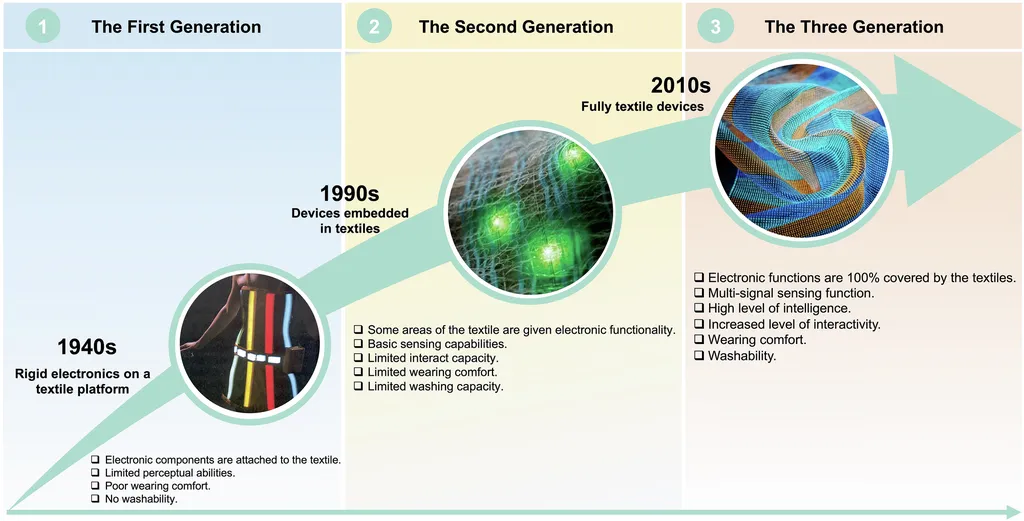
The integration of AI into textiles is not a new concept, but the application of neuromorphic computing represents a significant leap forward. Traditional e-textiles have primarily focused on embedding sensors and conductive materials into fabrics to monitor vital signs, track movement, and provide feedback. However, these systems often lack the ability to process and respond to data in real-time. Neuromorphic computing could change this by enabling textiles to perform complex data processing tasks directly within the fabric, thereby enhancing their functionality and versatility.
Researchers Frances Cleary, Witawas Srisa-An, David C. Henshall, and Sasitharan Balasubramaniam have been at the forefront of exploring these possibilities. Their work investigates the core architectural elements of artificial neural networks and neuromorphic computing, with a focus on how these technologies can drive innovation in the e-textile sector. By understanding the principles behind neuromorphic computing, they aim to develop textiles that can learn, adapt, and respond to stimuli in a manner similar to biological systems.
One of the most promising applications of neuromorphic computing in textiles is the development of adaptive clothing for medical and military use. For instance, smart uniforms embedded with neuromorphic systems could monitor soldiers’ vital signs in real-time, detect injuries, and even administer preliminary medical treatment. Similarly, medical textiles could be designed to continuously monitor patients’ health, providing early warnings of potential complications and improving patient outcomes.
The potential for neuromorphic computing to inspire change in the e-textile sector is vast. By leveraging the brain’s neural networks, researchers can develop textiles that are not only smart but also capable of complex, autonomous decision-making. This could lead to the creation of fabrics that can self-repair, adjust to environmental conditions, and even communicate with other devices, paving the way for a new era of intelligent, interconnected materials.
In conclusion, the integration of neuromorphic computing and AI technologies into the textile sector holds immense promise. As researchers continue to explore the potential of these technologies, the future of e-textiles looks increasingly bright. By taking inspiration from the human brain, the textile industry can develop innovative solutions that meet the demands of a rapidly evolving world, driving advancements that could transform industries and improve lives. Read the original research paper here.