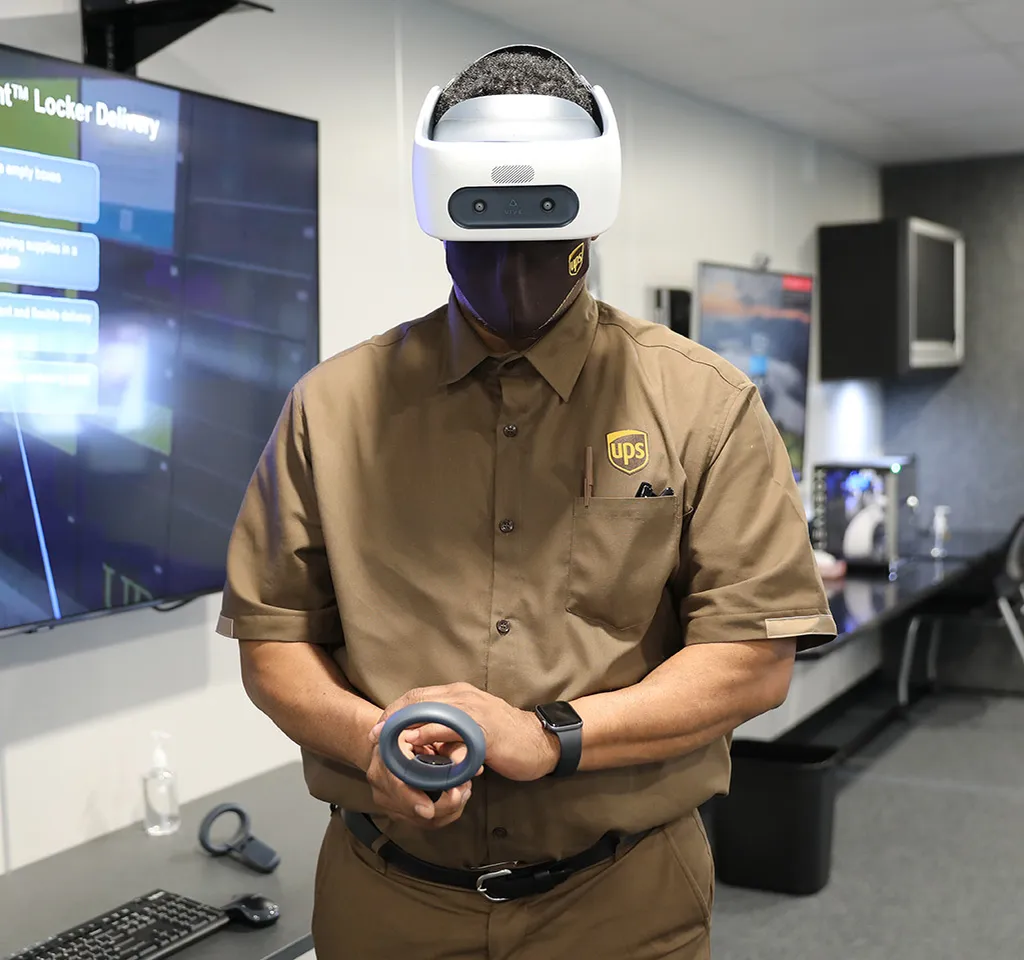
In the rapidly evolving landscape of Mixed Reality (MR) and Virtual Reality (VR), the need for more intuitive and naturalistic interactions has become increasingly apparent. Traditional methods, such as hand controllers or the perpetuation of two-dimensional computer interface paradigms from the 1980s, often fall short of providing the seamless, immersive experiences that modern applications demand. This challenge is particularly acute in specialized fields like military training, where realism and responsiveness are critical.
Researchers at the University of Southern California (USC) have taken a significant step forward in addressing these limitations. Their work, titled “Open Medical Gesture: An Open-Source Experiment in Naturalistic Physical Interactions for Mixed and Virtual Reality Simulations,” introduces an open-source toolkit designed to enable direct hand-controlled interactions. This toolkit is sensor-independent, meaning it can function with a variety of input devices, including depth-sensing cameras, webcams, or sensory gloves. This flexibility ensures that the technology can be widely adopted and adapted to different training and simulation environments.
The USC team, led by Thomas B. Talbot and Chinmay Chinara, has focused on developing interactions that mimic real-world object manipulation. This approach aims to create a more intuitive and responsive experience for users, reducing frustration and enhancing the overall effectiveness of VR training programs. For instance, in combat medic training, the ability to interact with virtual medical tools in a manner similar to how they are used in real-life scenarios can significantly improve the trainees’ preparedness and skill retention.
The research underscores several key principles for effective hand-based human-computer interactions. These principles include intuitiveness, responsiveness, usefulness, and low frustration. By adhering to these guidelines, the toolkit aims to provide a more engaging and effective training experience. The open-source nature of the project encourages collaboration and innovation, allowing other researchers and developers to contribute to and build upon the work, further advancing the field of naturalistic interactions in VR and MR.
The implications of this research extend beyond military applications. The open-source toolkit has the potential to revolutionize various sectors that rely on VR and MR simulations, from healthcare and education to industrial training and entertainment. By providing a flexible, intuitive, and responsive interaction framework, the toolkit can help create more immersive and effective training environments across a wide range of industries.
In conclusion, the Open Medical Gesture project represents a significant advancement in the quest for more naturalistic interactions in Mixed and Virtual Reality. By leveraging open-source principles and focusing on real-world applicability, the USC researchers have developed a toolkit that has the potential to transform training and simulation experiences. As the technology continues to evolve, it is likely to play a crucial role in shaping the future of VR and MR applications. Read the original research paper here.