
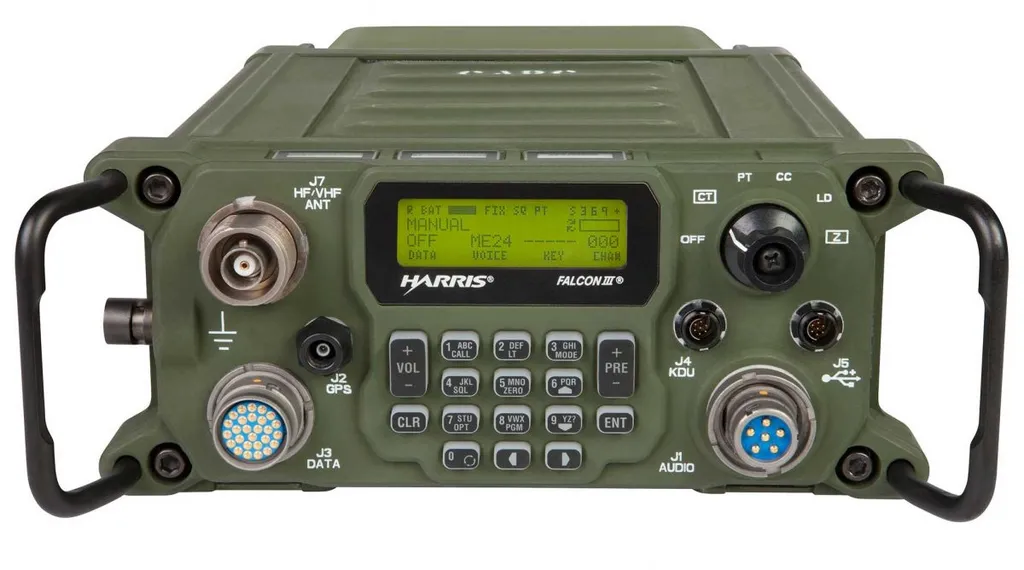
In an era dominated by cutting-edge satellite and high-frequency communication technologies, a new study suggests that the military might benefit from revisiting an old, yet highly resilient, form of communication: shortwave radio, also known as high frequency (HF) communication. Researchers Jan Kallberg and Stephen S. Hamilton argue that the increasing reliance on satellite communication (SATCOM), very high frequency (VHF), and ultra-high frequency (UHF) has created vulnerabilities that could be mitigated by integrating HF communication into modern military strategies.
Over the past three decades, the defence sector has increasingly turned to SATCOM, VHF, and UHF for their high bandwidth and line-of-sight (LOS) capabilities. These technologies offer significant advantages in terms of speed and data capacity, making them indispensable for contemporary military operations. However, this dependence also introduces critical weaknesses. An electronic warfare (EW) campaign, for instance, could simultaneously disrupt both VHF and SATCOM channels, leaving forces without reliable communication.
The researchers propose retrograding—reintroducing older technologies into modern military frameworks—as a strategy to enhance communication resilience. HF communication, which was widely used during World War II, operates on different propagation patterns compared to modern systems. These patterns allow HF signals to travel long distances by bouncing between the ionosphere and the Earth’s surface, making them less susceptible to localized disruptions.
The study highlights that HF communication’s inherent resilience could provide a crucial backup in scenarios where advanced EW tactics compromise primary communication channels. By integrating HF systems, military forces could maintain operational continuity even in environments saturated with electronic interference. This retrograded approach doesn’t aim to replace modern communication technologies but rather to complement them, creating a more robust and versatile communication network.
The revival of HF communication could also offer strategic advantages in contested environments. The ability to communicate effectively despite EW efforts could provide a significant operational edge, ensuring that critical commands and intelligence can be relayed without interruption. Furthermore, the relatively low cost and simplicity of HF systems make them an accessible and practical solution for enhancing communication resilience.
As geopolitical tensions continue to rise and the threat of electronic warfare becomes more pronounced, the defence sector must explore all available options to safeguard communication networks. The research by Kallberg and Hamilton serves as a timely reminder that sometimes, the best way forward involves looking back. By embracing the resilience of HF communication, military forces can better prepare for the challenges of modern warfare and ensure that they remain connected and operational, even in the most adversarial conditions. Read the original research paper here.