
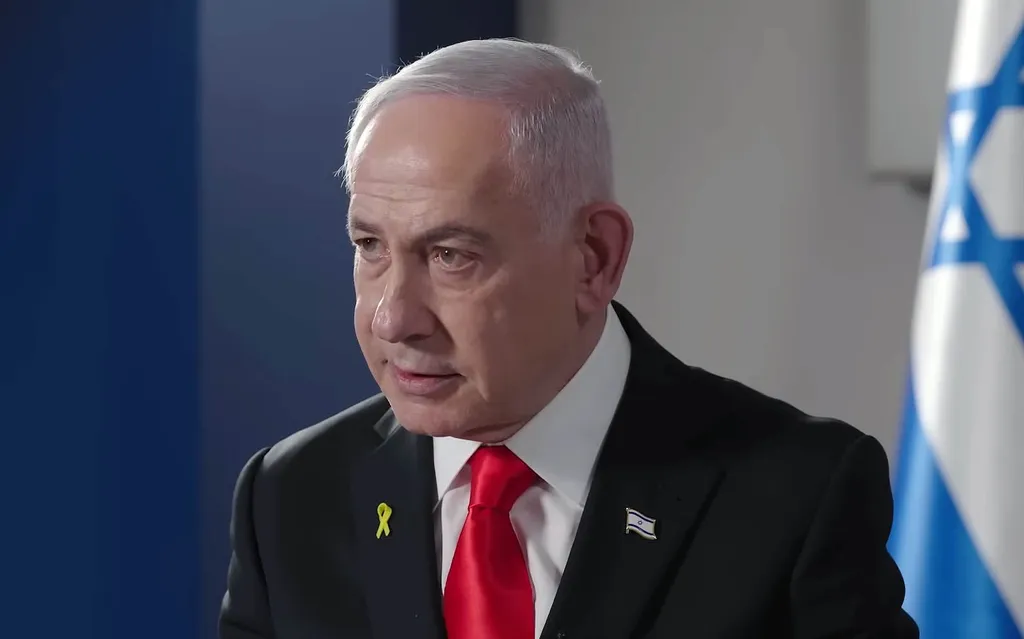
Israeli Prime Minister Benjamin Netanyahu has announced ambitious plans to reduce Israel’s reliance on foreign military aid, particularly from the United States, by developing an independent arms industry. This strategic shift, aimed at bolstering national security and self-sufficiency, could significantly reshape the geopolitical and defence landscapes of the Middle East.
In an interview with the Economist, Netanyahu expressed his vision to “taper off” Israeli dependence on US military aid within the next decade. “I want to taper off the military within the next 10 years,” he stated. When asked if this meant reducing aid “down to zero,” he affirmed, “Yes.”
Netanyahu’s comments reflect a broader strategy to enhance Israel’s defence capabilities and reduce its vulnerability to geopolitical shifts. He acknowledged Israel’s deep appreciation for the military aid provided by the US but emphasized the country’s readiness to stand on its own. “We’ve come of age and we’ve developed incredible capacities,” he told the Economist.
To achieve this goal, Netanyahu announced in December that Israel would invest ₪350 billion (approximately US$110 billion) in developing an independent arms industry. This substantial investment underscores Israel’s commitment to becoming a self-reliant defence powerhouse, capable of producing advanced military technology and equipment domestically.
The move comes against the backdrop of a 2016 memorandum of understanding between the US and Israel, which guarantees US$38 billion in military aid over a decade, including US$33 billion in grants for purchasing military equipment and US$5 billion for missile defence systems. However, Netanyahu’s vision extends beyond this agreement, aiming to create a robust and self-sustaining defence sector.
Israeli defence exports have already shown significant growth, with a 13% increase last year. Major contracts for advanced defence technologies, including Israel’s multi-layered aerial defence systems, highlight the country’s potential to become a leading global player in the defence industry.
The announcement has sparked reactions from key political figures in the US. Republican Senator Lindsey Graham, a staunch supporter of Israel and close ally of President Donald Trump, suggested that the US should not wait a decade to begin scaling back military aid to Israel. “The billions in taxpayer dollars that would be saved by expediting the termination of military aid to Israel will and should be plowed back into the US military,” Graham said on X. He added that he would present a proposal to both Israel and the Trump administration to expedite the timetable for reducing aid.
Netanyahu’s vision for an independent Israeli arms industry aligns with broader geopolitical trends, where nations are increasingly seeking to reduce dependencies and enhance their strategic autonomy. This move could have far-reaching implications for regional security dynamics, defence cooperation, and the global arms market.
As Israel forges ahead with its plans, the coming years will be pivotal in determining the success of this ambitious endeavour. The development of a self-sufficient defence industry could not only strengthen Israel’s security but also position it as a key player in the global defence technology arena. This strategic shift underscores the evolving nature of international defence partnerships and the growing importance of technological innovation in shaping the future of national security.