In an era where drones are increasingly being used for both legitimate and malicious purposes, the need for effective detection and tracking systems has never been more critical. Researchers Domenico Lofù, Pietro Di Gennaro, Pietro Tedeschi, Tommaso Di Noia, and Eugenio Di Sciascio have developed a groundbreaking framework called URANUS, designed to address the growing threat of unauthorized drones in sensitive airspaces. This innovative system leverages radio frequency (RF) technology and advanced machine learning algorithms to detect, classify, and track unmanned aircraft vehicles (UAVs) with remarkable accuracy.
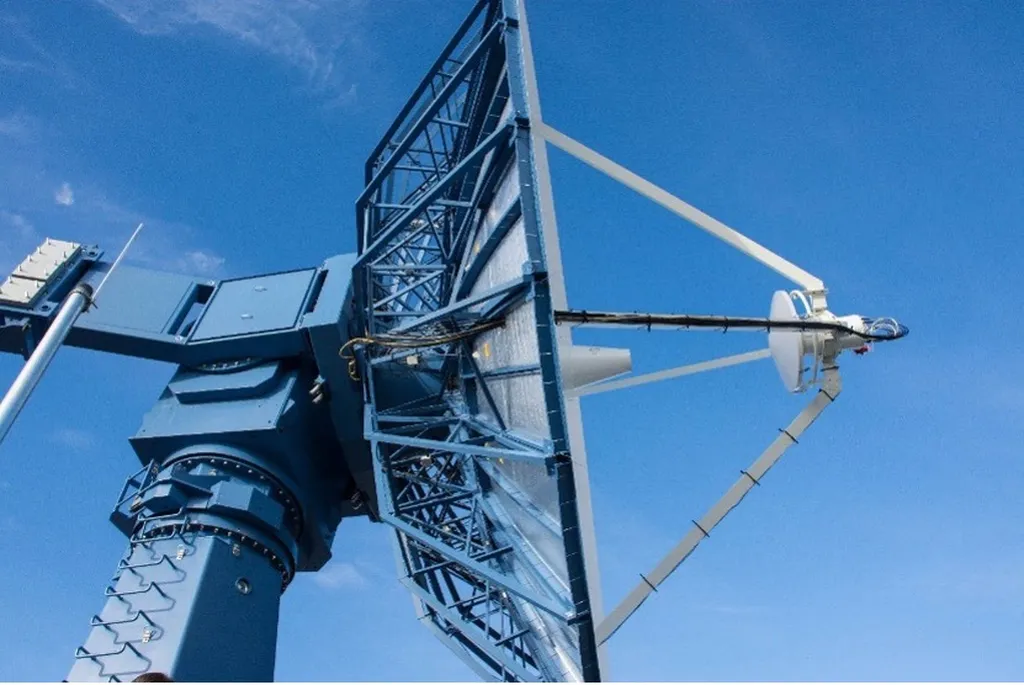
URANUS is engineered to provide a cost-effective and real-time solution for critical infrastructures such as airports, military bases, city centers, and crowded places. The framework integrates data from RF/Direction Finding systems and radars to monitor airspace violations and invasions. By utilizing these technologies, URANUS can swiftly identify the presence of drones, whether they are multi-copters or fixed-wing aircraft, in restricted zones.
One of the standout features of URANUS is its use of a Multilayer Perceptron (MLP) neural network for the classification and identification of UAVs. This sophisticated algorithm achieves an impressive accuracy rate of 90%, ensuring that drones are swiftly and accurately identified. The system’s ability to classify different types of drones is crucial for tailoring appropriate responses to various threats.
In addition to classification, URANUS employs a Random Forest model for tracking drones. This model predicts the position of a drone with a mean squared error (MSE) of approximately 0.29, a mean absolute error (MAE) of around 0.04, and an R-squared value of approximately 0.93. These metrics indicate a high level of precision in tracking the movement of drones, which is essential for effective intervention and mitigation strategies.
To ensure high accuracy in tracking, URANUS performs coordinate regression using Universal Transverse Mercator (UTM) coordinates. This approach enhances the system’s ability to pinpoint the exact location of drones, providing critical information for security personnel to take appropriate action.
The development of URANUS represents a significant advancement in the field of drone detection and tracking. Its ability to integrate multiple data sources and employ advanced machine learning algorithms makes it a versatile and reliable tool for critical infrastructure operators. As the threat of drone-related incidents continues to grow, systems like URANUS will play a pivotal role in safeguarding sensitive airspaces and ensuring public safety.
The research conducted by Lofù, Di Gennaro, Tedeschi, Di Noia, and Di Sciascio highlights the importance of proactive measures in addressing emerging security challenges. By providing a framework that is both accurate and cost-effective, URANUS sets a new standard for drone detection and tracking systems. Its adoption by critical infrastructure operators could significantly enhance the security of sensitive areas, protecting them from potential threats posed by unauthorized drones.
In conclusion, URANUS stands as a testament to the power of innovative technology in addressing contemporary security challenges. Its development and implementation could pave the way for more secure and resilient critical infrastructures, ensuring the safety of both public and private spaces in an increasingly drone-populated world. Read the original research paper here.