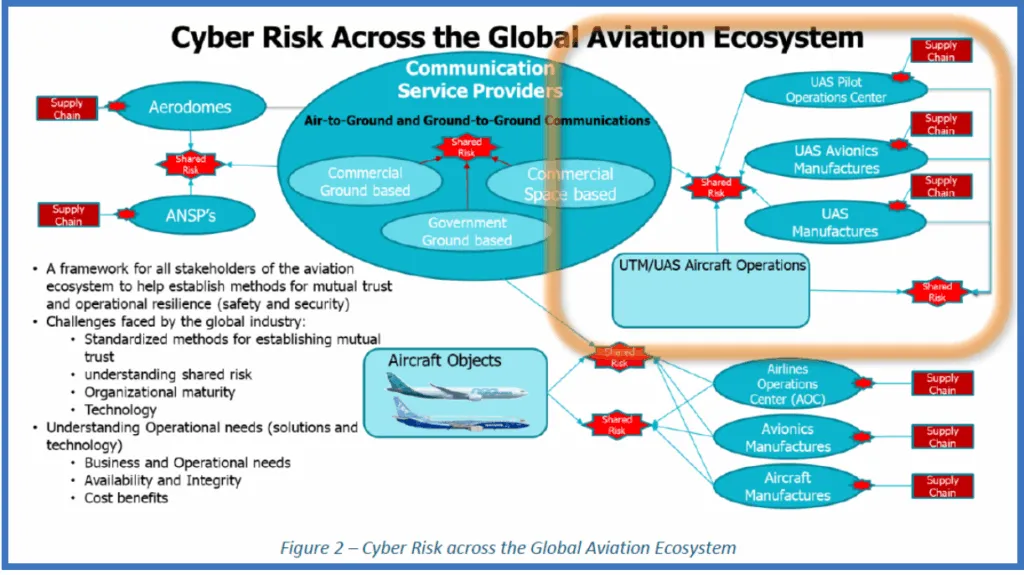
The rapid advancement of computerized technology in commercial, general, and military aerospace has brought about a significant increase in potential cyber hazards and attacks. As systems become more interconnected, the variety of attack vectors has expanded, necessitating robust cyber security measures to ensure airworthiness. Standards such as DO 326A and ED 202A have been developed to provide guidelines for cyber security in in-service aircraft, yet the implementation of these initiatives remains in its early stages. Researchers Beckett LeClair, James McLeod, Lee Ramsay, and Mick Warren have identified a critical challenge in the retrospective application of new cyber security regulations to existing aircraft designs.
The primary obstacle lies in the substantial requirements for time, money, and suitably qualified personnel, resources that are often already stretched thin in military environments. Previous work by the researchers has explored efficient approaches to achieving compliance, yielding promising results. However, the need to address the retroactivity challenge in conjunction with other key factors affecting the application of Cyber Security for Airworthiness (CSA) remains crucial. This holistic approach is essential to determine additional mitigating actions that could lower the barriers to effective and efficient implementation of secure approaches in the air domain.
The researchers emphasize that overcoming the challenges of CSA implementation requires a multifaceted strategy. Retrofitting existing aircraft with new cyber security measures is not only resource-intensive but also complex, as it involves integrating new technologies with legacy systems. This process demands a deep understanding of both old and new systems, as well as the ability to foresee potential vulnerabilities and address them proactively. The researchers’ work highlights the importance of developing streamlined processes and tools that can facilitate compliance without compromising operational efficiency.
Moreover, the dynamic nature of cyber threats necessitates continuous monitoring and updating of security measures. This ongoing process requires a robust framework that can adapt to emerging threats and incorporate the latest security technologies. The researchers suggest that collaboration between industry, regulatory bodies, and academic institutions is vital to foster innovation and share best practices. By pooling resources and expertise, stakeholders can develop more effective and efficient solutions to the challenges posed by CSA.
In conclusion, the researchers’ work underscores the need for a comprehensive approach to addressing the challenges of CSA in real-world contexts. By focusing on the retroactivity challenge and other key factors, the aerospace industry can develop more resilient and secure systems. This proactive approach will not only enhance airworthiness but also ensure the safety and security of air travel in an increasingly digital world. Read the original research paper here.