
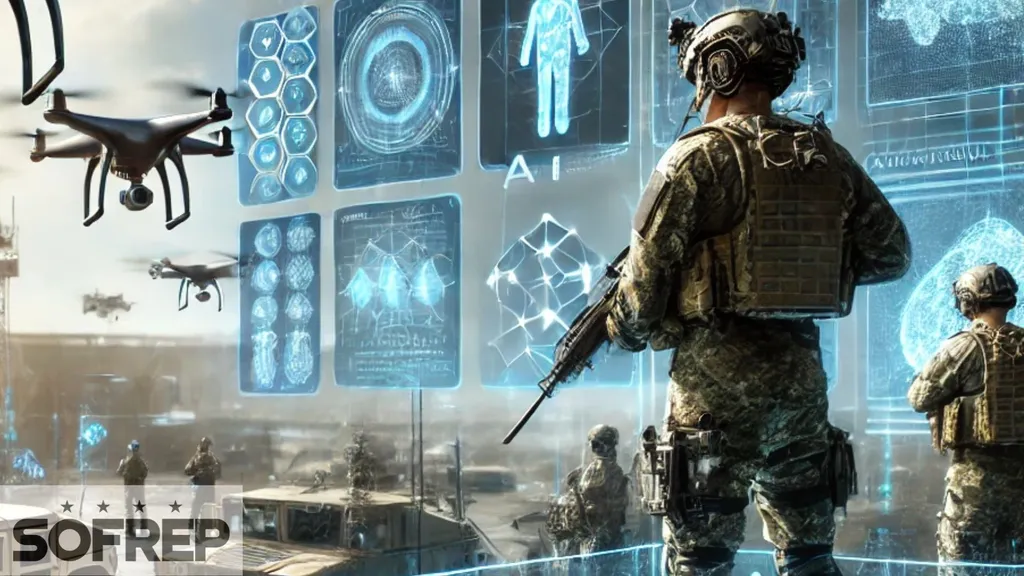
In the rapidly evolving landscape of military technology, artificial intelligence (AI) is emerging as a transformative force, promising to revolutionize everything from reconnaissance to decision-making on the battlefield. However, the integration of AI into military systems brings with it a host of ethical, technical, and operational challenges. A recent research paper by David Helmer, Michael Boardman, S. Kate Conroy, Adam J. Hepworth, and Manoj Harjani, titled “Human-centred test and evaluation of military AI,” offers a comprehensive blueprint for addressing these challenges. The study emphasizes the importance of ethical and human-centric AI applications in the military domain, stressing that humans must remain accountable for the use and effects of these systems.
The REAIM 2024 Blueprint for Action, which the researchers reference, underscores the need for robust test and evaluation, verification, and validation (TEVV) frameworks. These frameworks are essential for ensuring that AI systems operate as intended and do not compromise human values or safety. The paper argues that traditional human-centred test and evaluation methods from human factors must be adapted to accommodate the unique requirements of AI systems. This includes ongoing monitoring and evaluation throughout the lifecycle of AI applications, ensuring that they remain aligned with human needs and ethical standards.
One of the key insights from the research is the necessity of involving human users at every stage of AI development and deployment. This approach ensures that the systems are designed with a deep understanding of human capabilities and limitations. The researchers propose a shift in the language around AI-enabled systems to include humans as integral components of these systems. This shift necessitates the development of new standards, requirements, and metrics to evaluate the effectiveness and safety of AI applications in military contexts.
The paper also highlights the importance of dialogue between technologists and policymakers. Effective communication is crucial for bridging the gap between technical and non-technical communities, ensuring that operators and policymakers understand the risks associated with AI system use. This understanding is vital for informing research and development efforts and for making informed, risk-based decisions regarding the deployment of AI technologies.
The researchers emphasize that the development of TEVV frameworks must be an ongoing process, evolving throughout the lifecycle of AI systems. This continuous evolution is necessary to address issues such as human scalability and the impact of scale on achievable testing. By integrating TEVV into every phase of system development, the military can ensure that AI applications are reliable, ethical, and effective.
In conclusion, the research by Helmer, Boardman, Conroy, Hepworth, and Harjani provides a critical roadmap for the responsible integration of AI into military operations. By prioritizing human-centred test and evaluation, the military can harness the full potential of AI while mitigating risks and ensuring ethical use. As AI continues to reshape the battlefield, this blueprint offers a vital guide for navigating the complexities of this transformative technology. Read the original research paper here.