
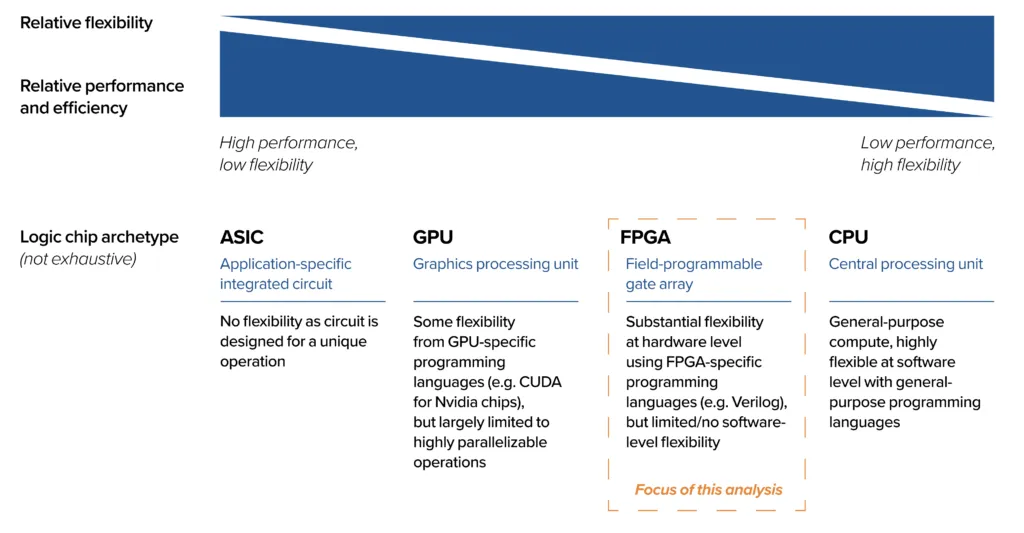
Field Programmable Gate Arrays (FPGAs) are versatile and indispensable components in modern electronics, particularly in high-security applications such as aerospace and military systems. Their reprogrammability allows for post-manufacture modifications, making them highly adaptable to evolving technological needs. However, this very flexibility introduces significant security challenges, as the ability to alter hardware circuits through bitstream manipulation can lead to serious vulnerabilities.
A recent study by researchers Endres Puschner, Maik Ender, Steffen Becker, and Christof Paar delves into the security implications of bitstream modifications in FPGAs. The study presents a comprehensive framework for manipulating bitstreams with minimal reverse engineering, thereby exposing the potential risks associated with inadequate bitstream protection. The researchers’ methodology does not require a complete understanding of proprietary bitstream formats or a fully reverse-engineered target design. Instead, it enables precise modifications by inserting pre-synthesized circuits into existing bitstreams.
The framework consists of five semi-automated steps: partial bitstream reverse engineering, designing the modification, placing and routing the modification into the existing circuit, and merging the modification with the original bitstream. This approach allows for targeted and efficient alterations, demonstrating the ease with which malicious actors could exploit FPGAs.
The researchers validated their framework through four practical case studies on the OpenTitan design synthesized for Xilinx 7-Series FPGAs. These case studies highlight the potential for bitstream manipulation to introduce hardware Trojans or leak secret data, underscoring the urgent need for robust countermeasures.
Current protections such as bitstream authentication and encryption often fall short in addressing these threats. The study emphasizes the importance of developing more effective security measures to safeguard FPGAs in high-stakes applications. The researchers recommend using FPGAs as trust anchors only when bitstream manipulation attacks can be reliably excluded, stressing the need for ongoing innovation in FPGA security.
This research not only sheds light on the vulnerabilities inherent in FPGA technology but also provides a roadmap for future advancements in securing these critical components. As FPGAs continue to play a pivotal role in defence and security systems, the findings of this study serve as a call to action for the industry to prioritize and invest in comprehensive security solutions. Read the original research paper here.