
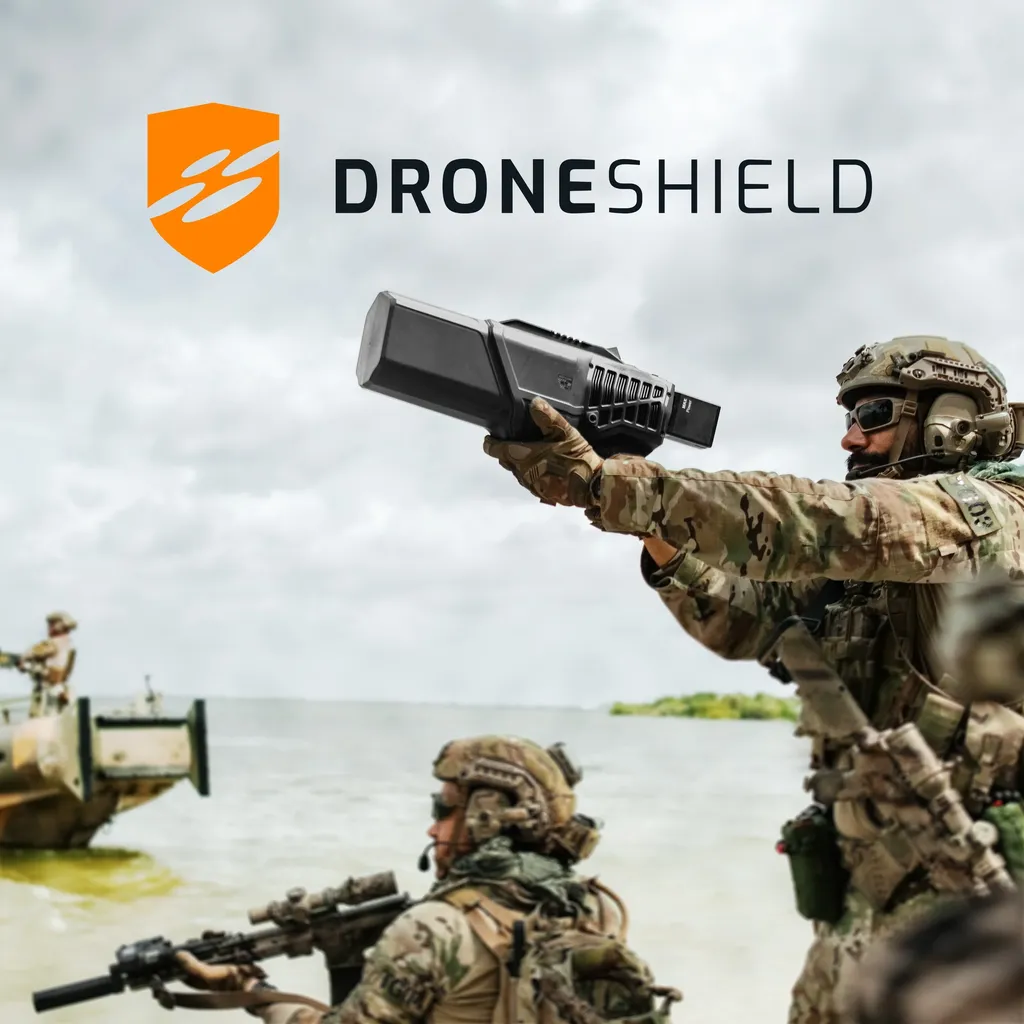
DroneShield Ltd (ASX:DRO), a defence-technology company specialising in counter-uncrewed aerial systems (C-UAS), has seen its shares experience significant volatility over the past few sessions. On Wednesday, DroneShield’s shares slipped 0.77% to close at A$3.89, following an 18.43% surge in the previous session. The trading volume also fell to 16.89 million shares from 32.94 million on Tuesday, with the stock trading between A$3.76 and A$3.99.
The recent volatility has put the spotlight on ownership and execution for DroneShield, as investors scrutinise whether the company can translate rising demand into steadier results. A recent filing revealed that JPMorgan Chase & Co and its affiliates ceased to be a substantial holder in DroneShield on January 2, falling below the 5% threshold that triggers disclosure in Australia. The notice cited changes linked to securities lending and collateral, and highlighted trading by J.P. Morgan Securities Australia around year-end.
In a positive development, DroneShield announced the renewal of its support for the Australian Defence Force Drone Racing Team for 2026. This partnership extends beyond sponsorship, focusing on sharing expertise to build the skills and technologies for the next generation of defence capabilities. Chief Executive Oleg Vornik emphasised the importance of this collaboration, stating, “This is about building the skills and technologies for the next generation of defence capability.” Wing Commander Keirin Joyce, president of the team, added that the partnership creates “a unique environment for testing, learning, and advancing operational edge.”
Furthermore, DroneShield promoted Louis Gamarra to the role of Chief Commercial Officer. Gamarra will lead the global sales strategy and the distributor network, a move aimed at turning demand into sustained performance. Vornik noted, “Strong commercial leadership is critical to turning demand into sustained performance.” Gamarra expressed enthusiasm for stepping into the role at “this pivotal time” for DroneShield.
DroneShield’s products are designed to detect and disrupt drones, addressing a growing security problem for military, government, and critical-infrastructure customers. However, the company’s small-cap status means its stock can be highly reactive to contract timing, budget headlines, and shifts in institutional positioning. Any stumble in execution could test investor support, especially after the recent run-up in share price.
As DroneShield navigates this volatile period, the company’s ability to deliver on its strategic initiatives and maintain strong commercial leadership will be crucial. Investors will be watching closely to see if the company can achieve more stable and consistent results, thereby justifying the recent surge in interest and investment.