
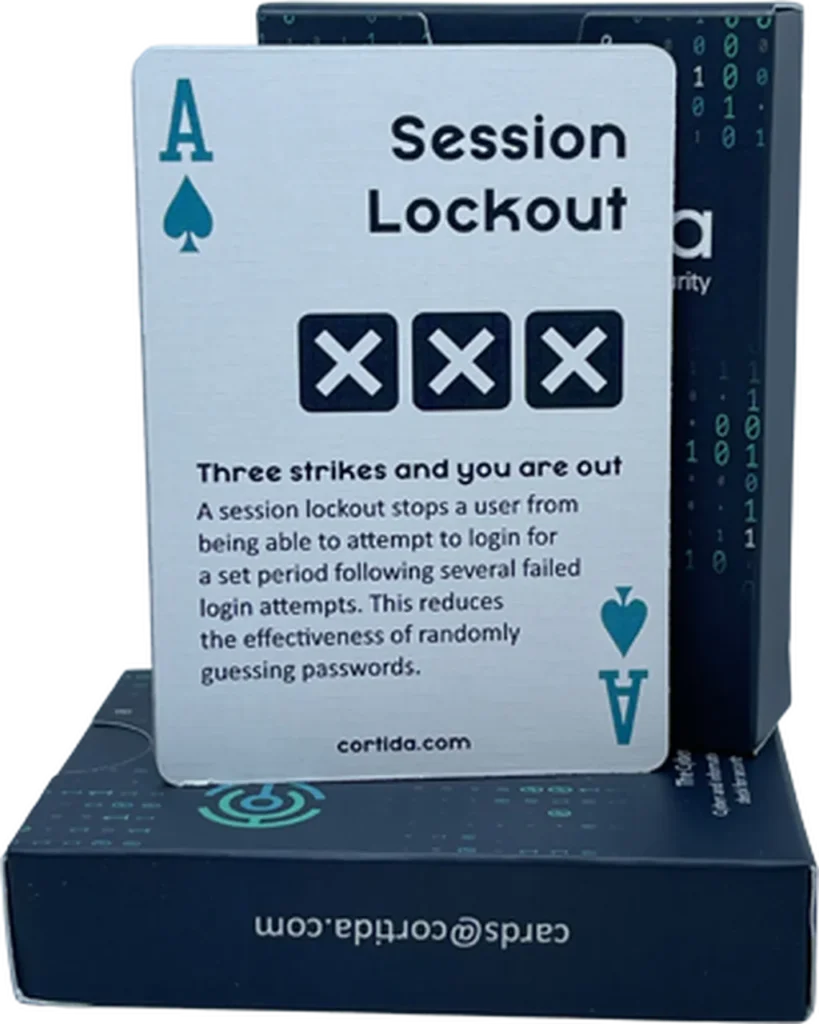
In the rapidly evolving digital landscape, cybersecurity remains a critical yet often daunting field, particularly for those without specialist knowledge. The complexity and constant flux of cyber threats necessitate accessible, practical solutions to bridge the knowledge gap and enhance learning. To address these challenges, researchers have introduced an innovative approach: a deck of playing cards designed to demystify cybersecurity concepts and foster discussion.
The National Cyber Security Centre’s Cybersecurity Body of Knowledge (CyBOK) serves as a comprehensive resource for cybersecurity education, offering over 1000 pages of detailed information. However, its extensive content can be overwhelming for beginners, making it difficult to navigate and apply in real-world scenarios. Recognizing this barrier, a team of researchers led by Ryan Shah developed a unique method to simplify and disseminate this vital knowledge.
The solution? A deck of playing cards. Each card in this deck is designed to introduce foundational cybersecurity concepts, making them accessible and engaging for novices. The cards are structured to support learning and discussion, using CyBOK as the foundation for their technical content. This innovative approach transforms complex cybersecurity topics into digestible, conversational pieces, enabling users to grasp key concepts without feeling overwhelmed.
The researchers evaluated their method through two user studies, which yielded promising results. An impressive 80% of participants agreed that the cards provided them with introductory knowledge of cybersecurity topics. Furthermore, 70% of participants found that the cards facilitated discussions and helped them make connections between various cybersecurity elements, such as attacks, vulnerabilities, and defences.
This playing cards approach not only simplifies the learning process but also encourages collaborative exploration of cybersecurity issues. By making the subject more approachable, the deck of cards can help individuals and organizations better understand and mitigate cyber threats. This method could be particularly valuable in educational settings, corporate training programs, and community workshops, where accessible and engaging learning tools are in high demand.
The success of this initiative highlights the potential for creative, non-traditional methods in cybersecurity education. As the digital world continues to evolve, innovative solutions like these will be crucial in equipping individuals with the knowledge and skills needed to navigate an increasingly complex threat landscape. By making cybersecurity more accessible, we can collectively enhance our ability to protect digital assets and ensure a safer online environment for all. Read the original research paper here.