
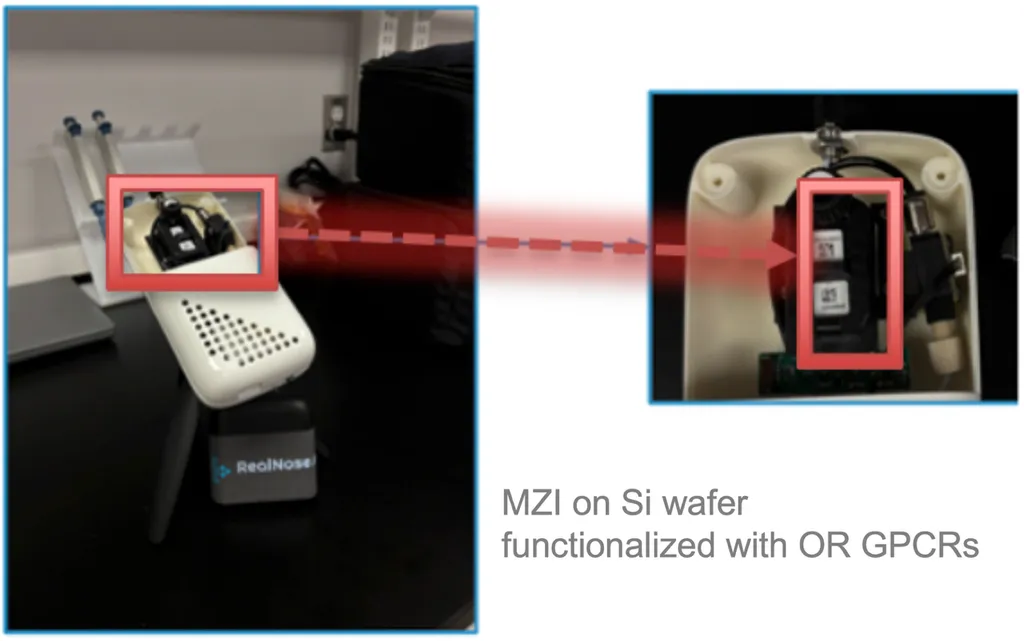
Machine olfaction, the ability of machines to detect and analyze odors, is rapidly emerging as a transformative technology with far-reaching implications for various sectors, including defence and security. Recent advancements in stabilizing mammalian olfactory receptors and integrating them into biophotonic and bioelectronic systems have enabled detection capabilities that rival those of trained detection dogs, achieving near single-molecule resolution. This breakthrough is poised to revolutionize the global sensing industry by introducing a biochemical layer to the current ecosystem, which is predominantly dominated by machine vision and audition.
The convergence of machine olfaction with multimodal AI and distributed sensor networks equipped with embedded AI is creating a new paradigm in sensing technology. This integration allows for the development of sophisticated systems that can detect and analyze a wide range of chemical compounds, providing valuable insights and enhancing situational awareness. The potential applications of this technology are vast and span across multiple domains, including non-invasive medical diagnostics, industrial monitoring, agriculture, and security and defence.
In the defence and security sector, machine olfaction holds significant promise. The ability to detect explosives, chemical agents, and other threats at the molecular level can greatly enhance the capabilities of security forces. For instance, machines equipped with olfactory sensors can be deployed in high-risk areas to identify potential threats in real-time, providing critical information to personnel on the ground. This technology can also be used in border security, where the detection of illicit substances and contraband can be streamlined and made more efficient.
Moreover, the integration of machine olfaction with AI-driven analytics can enable predictive capabilities, allowing security forces to anticipate and mitigate threats before they materialize. This proactive approach can significantly enhance the effectiveness of defence strategies and improve overall security. Additionally, the use of distributed sensor networks can provide comprehensive coverage of large areas, ensuring that no potential threat goes undetected.
The development of machine olfaction technology is not without its challenges. Ethical and legal concerns arise as this technology becomes more prevalent. Issues related to privacy, data security, and the potential misuse of olfactory sensors need to be carefully considered and addressed. Establishing robust regulatory frameworks and ethical guidelines will be crucial in ensuring the responsible and ethical use of this technology.
Despite these challenges, the potential benefits of machine olfaction are immense. The technology is poised to bring forth a planet-wide molecular awareness layer, creating vast emerging markets in health, security, and environmental sensing via scent. As the global sensing industry continues to evolve, machine olfaction is set to play a pivotal role in shaping the future of defence and security.
In conclusion, the rapid advancements in machine olfaction technology represent a significant leap forward in the global sensing industry. The integration of olfactory sensors with AI and distributed sensor networks offers unprecedented capabilities for threat detection and analysis. While challenges and ethical considerations must be addressed, the potential benefits for the defence and security sector are substantial. As this technology continues to develop, it will undoubtedly shape the future of security and defence, providing new tools and strategies to enhance global safety and stability. Read the original research paper here.