In the rapidly evolving landscape of strategic reasoning, a groundbreaking hybrid architecture is emerging that promises to revolutionize decision-making processes. Researchers Renato Ghisellini, Remo Pareschi, Marco Pedroni, and Giovanni Battista Raggi have developed a novel framework that combines heuristic extraction, semantic activation, and compositional synthesis to enhance agent-augmented strategic reasoning. This innovative approach draws inspiration from a wide array of sources, spanning classical military theory to contemporary corporate strategy, and leverages principles of quantum cognition to create a robust and adaptable decision-making system.
Traditional decision engines often rely on selecting the best rule from a predefined set of heuristics. In contrast, the new architecture developed by Ghisellini and his colleagues takes a more nuanced approach. Instead of choosing a single heuristic, the system fuses multiple, often conflicting, heuristics into coherent and context-sensitive narratives. This process is guided by semantic interaction modeling and rhetorical framing, allowing the system to generate more holistic and contextually appropriate strategic recommendations.
The researchers demonstrate the efficacy of their framework through a case study involving Meta and the Federal Trade Commission (FTC). By applying their hybrid architecture to this complex and multifaceted scenario, they provide preliminary validation of the system’s capabilities. The case study highlights how the framework can navigate intricate legal and corporate landscapes, offering insights that are both semantically rich and strategically actionable.
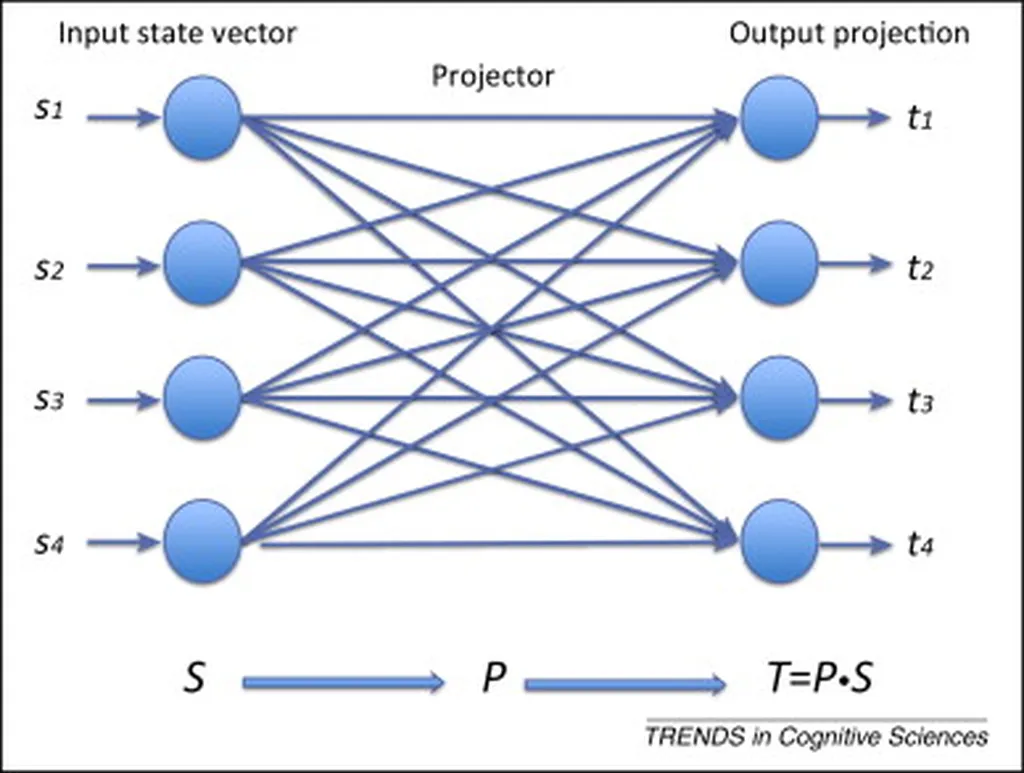
One of the key innovations in this research is the concept of semantic interdependence. Inspired by quantum cognition, this principle allows the system to activate and compose heuristics in a way that reflects the interconnected nature of strategic decision-making. By treating heuristics as semantically interdependent rather than isolated rules, the system can generate more nuanced and contextually relevant strategic narratives.
The researchers also discuss the limitations of their framework and potential areas for future development. For instance, dynamic interference tuning is identified as a promising avenue for further research. This would involve refining the system’s ability to manage and mitigate interference between different heuristics, thereby enhancing its overall performance and reliability.
The implications of this research extend beyond the realm of corporate strategy. The hybrid architecture developed by Ghisellini and his colleagues has significant potential applications in the defence and security sector. In an era where strategic decision-making is increasingly complex and multifaceted, the ability to fuse multiple heuristics into coherent narratives can provide a significant advantage. Whether it’s navigating geopolitical tensions, planning military operations, or responding to emerging threats, the framework offers a powerful tool for enhancing strategic reasoning and decision-making.
As the defence and security landscape continues to evolve, the need for advanced decision-making tools will only grow. The hybrid architecture presented by Ghisellini and his colleagues represents a significant step forward in this regard. By combining heuristic extraction, semantic activation, and compositional synthesis, the system offers a robust and adaptable framework for agent-augmented strategic reasoning. As further research and development refine and expand its capabilities, this innovative approach is poised to play a crucial role in shaping the future of strategic decision-making in the defence and security sector. Read the original research paper here.