
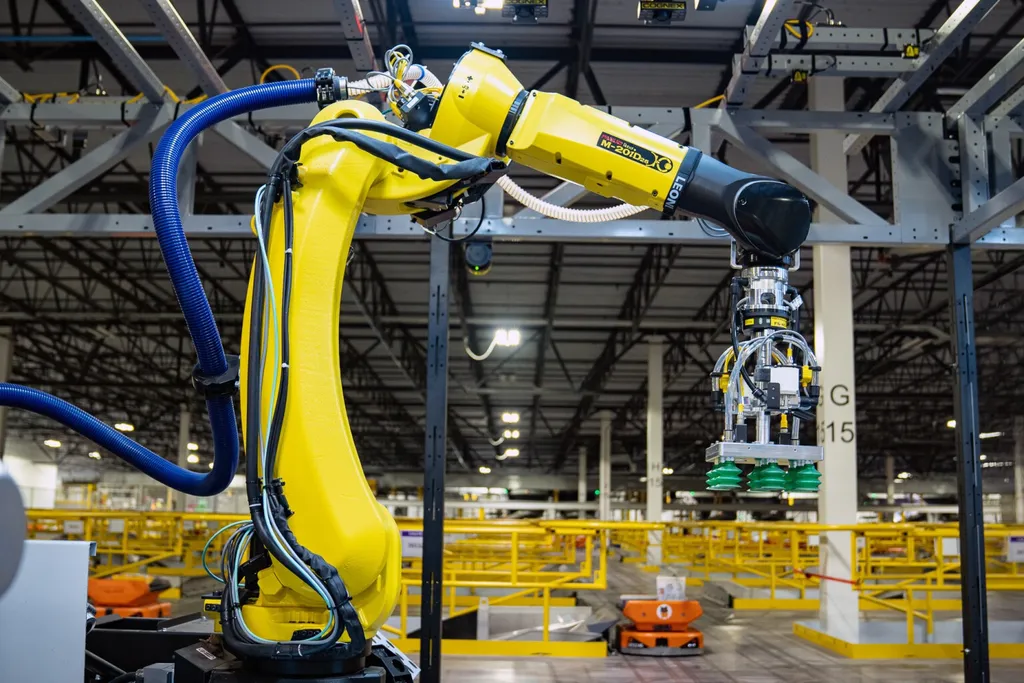
In the rapidly evolving landscape of automated industries, robotic manipulator arms have emerged as indispensable tools, driving efficiency, precision, and cost-effectiveness. These advanced systems are pivotal in enhancing production quality and optimizing human resource utilization. However, the complexity of programming these robotic arms for intricate tasks poses significant challenges. Traditional methods of hard coding efficient and safe trajectories are often time-consuming and inefficient.
Enter machine learning (ML), a transformative technology poised to revolutionize robotic manipulation. By leveraging ML, researchers can develop controllers that learn from expert demonstrations, significantly streamlining the process. This approach not only accelerates the development of robotic systems but also enhances their adaptability and performance in real-world scenarios.
A recent comprehensive survey, conducted by a team of experts including Saeid Nahavandi, Roohallah Alizadehsani, Darius Nahavandi, Chee Peng Lim, Kevin Kelly, and Fernando Bello, delves into the cutting-edge technologies and recent trends in ML applications for robotic manipulation. The survey underscores the potential of ML to address the inherent challenges of programming robotic arms for complex tasks.
The research begins with a thorough review of the background on ML, setting the stage for an exploration of its applications across various domains. The study highlights the transformative impact of ML in industries such as healthcare, agriculture, space, military, and search and rescue operations. Each domain presents unique challenges and opportunities for ML-driven robotic manipulation, from precision surgery and agricultural automation to space exploration and disaster response.
In healthcare, for instance, ML-powered robotic arms can perform intricate surgical procedures with unparalleled precision, reducing human error and improving patient outcomes. In agriculture, these systems can automate harvesting and planting, optimizing resource use and increasing productivity. The military and search and rescue sectors benefit from enhanced precision and reliability in tasks such as bomb disposal and disaster recovery.
Despite these promising advancements, the survey identifies critical areas for improvement. Ensuring the safety, reliability, and efficiency of ML methods during both training and deployment phases remains a key focus. The researchers emphasize the need for robust algorithms that can handle the complexities of real-world environments, where variables and uncertainties abound.
The survey concludes with a forward-looking perspective, outlining important research directions for future work. It calls for continued innovation and collaboration among researchers, engineers, and industry professionals to harness the full potential of ML in robotic manipulation. By addressing current limitations and exploring new frontiers, the field can achieve unprecedented levels of efficiency, safety, and adaptability.
As industries continue to embrace automation, the integration of ML with robotic manipulation will play a pivotal role in shaping the future of technology. The insights from this survey provide a roadmap for advancing the field, ensuring that ML-driven robotic systems meet the evolving needs of various sectors. The journey towards fully autonomous, intelligent robotic manipulation is well underway, and the future looks promising. Read the original research paper here.