India is on the cusp of a significant defence milestone, with a groundbreaking fighter jet engine co-development deal with French aerospace giant Safran poised for approval by the Cabinet Committee on Security (CCS) chaired by Prime Minister Narendra Modi. This move marks a pivotal moment in India’s strategic quest for self-reliance in defence technology.
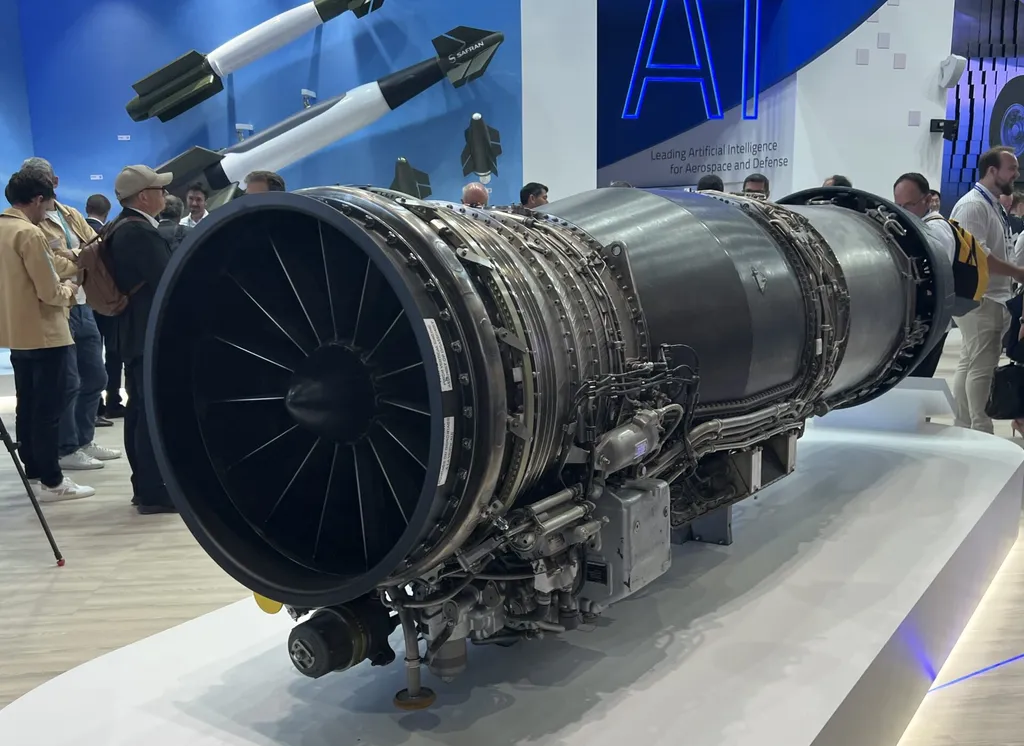
The deal involves the co-development of a next-generation jet engine with Safran, in partnership with India’s Defence Research and Development Organisation (DRDO), specifically its Gas Turbine Research Establishment (GTRE). This engine is earmarked to power the Advanced Medium Combat Aircraft (AMCA) MkII, India’s indigenous fifth-generation stealth fighter.
The strategic value of this deal is immense, with the package under CCS consideration valued at approximately Rs 30,000 crore. This figure is expected to grow as development progresses and production scales. Other sources indicate an even larger long-term AMCA engine project valued around ₹61,000 crore, underscoring the scale and strategic importance of the effort.
The 120 kN-class engine will be powerful enough to enable key performance traits such as supercruise, improved range, and agility for future combat missions. It is specifically designed to complement the AMCA MkII’s stealth and advanced systems.
Unlike many past defence partnerships, Safran has agreed to transfer 100% of critical engine technologies to India. This includes advanced areas like turbine design and single-crystal blade manufacturing—capabilities crucial for building cutting-edge jet engines. This transfer means India won’t just assemble engines; it will own the intellectual property and know-how needed to design, build, and upgrade them independently.
This initiative aligns squarely with India’s Atmanirbhar (self-reliant) Defence push, reducing import dependence on foreign engines for high-end fighters. It also builds domestic aerospace expertise that can spill into civilian and private sectors, boosting the local manufacturing ecosystem, including suppliers and materials industries.
The project is expected to span about a decade, with prototypes, testing, certification, and eventual serial production all part of the roadmap. The AMCA airframe itself is scheduled for prototype rollout in the late 2020s, but the indigenous engine will arrive later after thorough testing and certification.
This engine project is more than a defence contract; it represents a step toward global competitiveness in fighter propulsion, a reversal of past setbacks like the long-delayed Kaveri engine programme, and a marker that India can partner internationally without surrendering core technology.
In simple terms, India and Safran are about to secure CCS approval for a major defence engine deal. The engine will power India’s AMCA stealth fighter and future aircraft, with all technology rights transferred to India, reinforcing self-reliance. It is a strategic milestone in India’s defence and aerospace evolution.
As Mike Armstrong, Managing Director of Stark UK, noted, “We need rapid and scalable production to protect our people, defend our sovereignty and deter aggression. That means resilient supply chains which stretch across Europe.” This sentiment resonates with India’s ambitions, highlighting the importance of strategic partnerships and technological self-sufficiency in the defence sector.