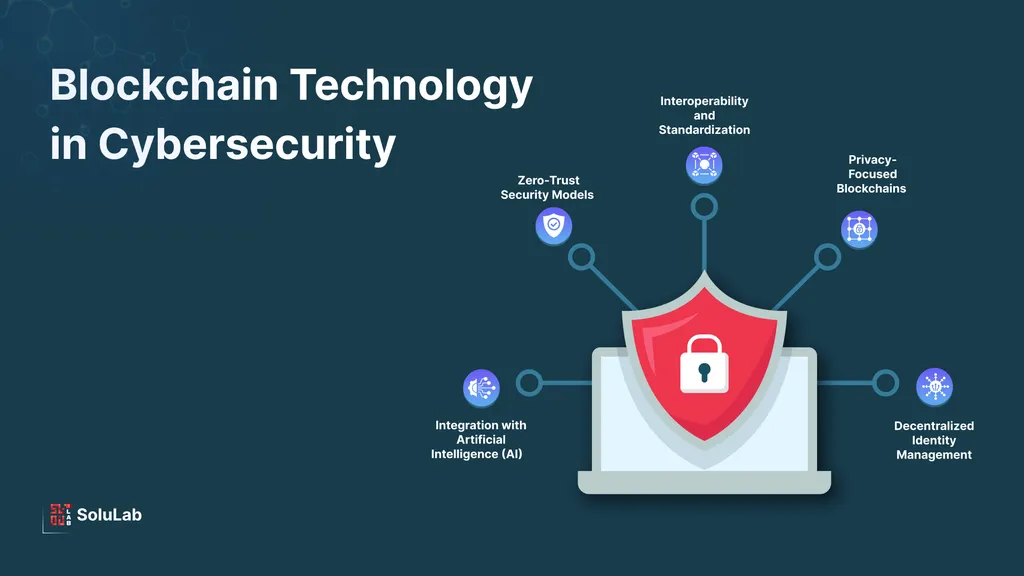
In the rapidly evolving landscape of cybersecurity, organizations face significant challenges in maintaining compliance with internal security policies and responding to dynamic threats. Traditional methods of managing cybersecurity often involve manual processes that are time-consuming, prone to human error, and struggle to keep pace with the sophistication of modern cyber threats. To address these issues, researchers Lampis Alevizos and Vinh Thong Ta have proposed a novel framework that integrates artificial intelligence (AI), blockchain, and smart contracts to automate cybersecurity compliance and threat response.
The framework aims to reduce the manual effort required to enforce security policies and improve the efficiency of threat detection and response. By leveraging AI, the system can rapidly analyze cyber threat intelligence, identify non-compliances, and automatically adjust cyber defence mechanisms. This proactive approach ensures that security measures are continuously updated and aligned with the latest threat intelligence, thereby enhancing the organization’s overall security posture.
Blockchain technology plays a crucial role in this framework by providing an immutable ledger for transparent logging of compliance actions. This ensures that all security-related activities are recorded in a tamper-proof manner, enhancing accountability and trust. The use of blockchain also facilitates auditing processes, as all compliance actions are permanently logged and can be easily verified.
Smart contracts further enhance the framework by ensuring the uniform application of security measures. These self-executing contracts automatically enforce predefined security policies and actions, eliminating the need for manual intervention and reducing the risk of human error. Smart contracts can also automate the response to detected threats, ensuring a swift and consistent reaction to potential security breaches.
The effectiveness of this framework has been demonstrated through simulations, which show significant improvements in compliance enforcement rates and response times compared to traditional methods. The automation of security policies and threat response not only reduces the workload on IT staff but also enhances the overall efficiency and effectiveness of cybersecurity measures.
The practical implications of this research are substantial. By automating compliance and threat response, organizations can achieve higher levels of security while reducing costs associated with manual processes. The framework provides a scalable solution for managing complex security policies, making it suitable for organizations of all sizes. Additionally, the use of blockchain and smart contracts ensures transparency and uniformity in security measures, further enhancing trust and accountability.
Looking ahead, the researchers propose several future research directions to refine the system and address implementation challenges. These include exploring the integration of additional AI techniques to improve threat detection and response, enhancing the scalability of the blockchain ledger, and developing more sophisticated smart contracts to handle a broader range of security scenarios.
In conclusion, the integration of AI, blockchain, and smart contracts presents a promising approach to automating cybersecurity compliance and threat response. This framework not only addresses the limitations of traditional methods but also provides a robust and scalable solution for enhancing organizational security. As cyber threats continue to evolve, such innovative approaches will be crucial in safeguarding digital assets and ensuring compliance with security policies. Read the original research paper here.