
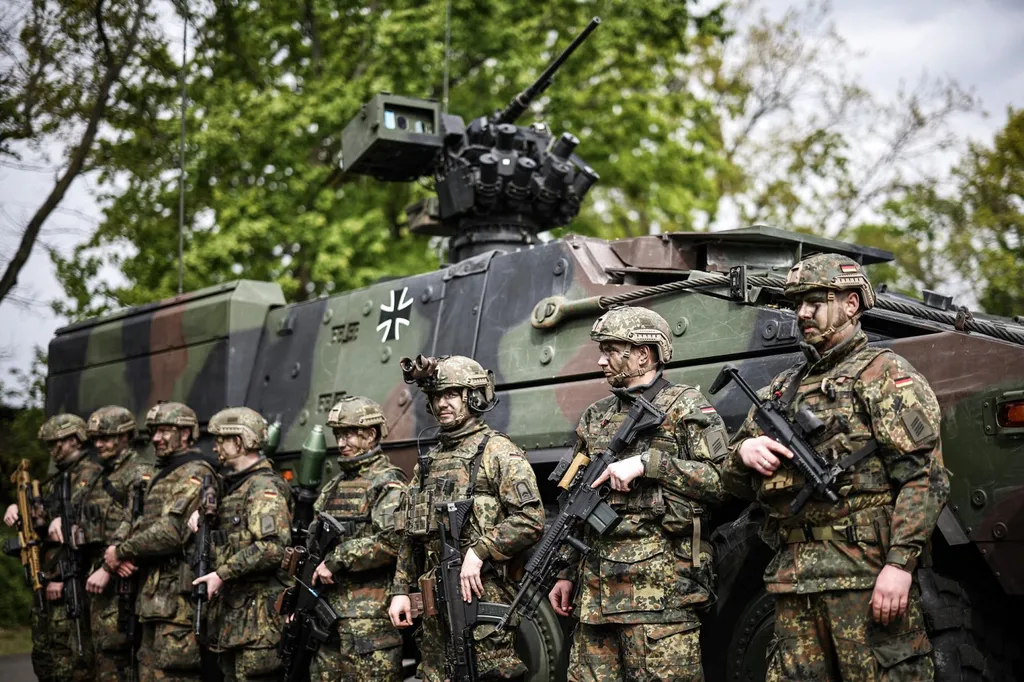
Germany, a nation celebrated for its rich history, cultural heritage, and engineering prowess, is once again making headlines with a significant investment in advanced defence technology. While this development primarily stems from the security sector, it also offers valuable insights for global travellers planning a visit to Europe’s largest economy. This investment reflects Germany’s enduring commitment to domestic manufacturing, industrial resilience, and technological advancement, providing tourists with a deeper understanding of the country’s evolving identity and the places where history, innovation, and travel intersect.
A Nation Investing in High-Tech Manufacturing
Germany has approved substantial funding for next-generation aerospace and defence systems to be produced domestically. This initiative supports German manufacturers, skilled labour, and advanced engineering facilities across multiple regions. For visitors, this reinforces Germany’s reputation as a leader in precision engineering. Many of the facilities involved are located near cities already popular with tourists, seamlessly blending industrial progress with cultural tourism. Regions associated with aviation and advanced manufacturing often host museums, exhibitions, and technology centres that are open to the public. These attractions allow travellers to explore Germany’s innovation story without entering restricted areas.
Why This Matters for Travellers
From a tourism perspective, large-scale industrial investment strengthens infrastructure, transport connectivity, and regional economies. These improvements often benefit visitors through better rail links, upgraded airports, and expanded hospitality services. Germany’s focus on domestic production also supports long-term stability. For international tourists, this translates into predictable travel conditions, well-maintained public services, and reliable transportation systems. Importantly, such government initiatives do not disrupt tourism activity. Germany remains one of Europe’s safest and most organised destinations, with no impact on sightseeing, events, or travel routes.
Aviation and Technology Tourism on the Rise
Germany has quietly become a hotspot for aviation and technology-focused tourism. Cities like Munich, Berlin, Hamburg, and Stuttgart are home to world-class science museums, aerospace exhibitions, and innovation hubs. Visitors can explore aviation museums showcasing historic and modern aircraft, science centres highlighting engineering and navigation technologies, and industrial heritage sites explaining Germany’s manufacturing evolution. These attractions provide educational value while remaining accessible and engaging for families, solo travellers, and enthusiasts.
Blending History, Culture, and Innovation
One of Germany’s greatest strengths is its ability to combine tradition with progress. Travellers can tour centuries-old castles in the morning and visit cutting-edge technology museums in the afternoon. This contrast makes Germany especially appealing to travellers seeking meaningful experiences beyond traditional sightseeing. Understanding the country’s modern industrial direction adds context to its historical role in Europe. For travel writers, tour operators, and cultural explorers, this layered narrative enhances Germany’s appeal as a destination that evolves while respecting its past.
Regional Travel Opportunities
Defence and aerospace manufacturing often supports regional development. Smaller cities near industrial centres benefit from improved transport links, hotels, and conference venues. Travellers venturing beyond major capitals may discover less crowded destinations, authentic local cuisine, unique regional museums and exhibitions, and scenic landscapes connected by efficient rail networks. These regions often provide better value for money while offering rich cultural experiences.
Safety and Travel Confidence
Despite headlines involving defence investments, Germany’s travel environment remains unchanged for tourists. The country consistently ranks high in safety, cleanliness, and transport reliability. International travellers should feel confident planning trips for leisure, business, or cultural exploration. Airports, rail systems, and city infrastructure continue to operate normally and efficiently. Visitors are encouraged to rely on official tourism offices and government travel advisories for accurate and up-to-date information.
Travel Planning Tips for 2026
For those planning a German itinerary, consider combining cultural landmarks with science and technology museums. Explore regional cities connected to innovation hubs and use Germany’s extensive rail network for seamless travel. Attend public exhibitions and technology fairs open to visitors. These experiences offer a fresh way to understand Germany beyond traditional travel routes.
Final Thoughts for Global Tourists
Germany’s investment in advanced technology signals confidence in the future. For travellers, it highlights a nation that values innovation, stability, and long-term planning. Rather than affecting tourism negatively, such developments enhance Germany’s position as a modern, forward-thinking destination. Visitors gain the opportunity to witness how history, culture, and cutting-edge engineering coexist. For travellers seeking depth, learning, and inspiration, Germany in 2026 promises an experience that is both enriching and reassuring.