
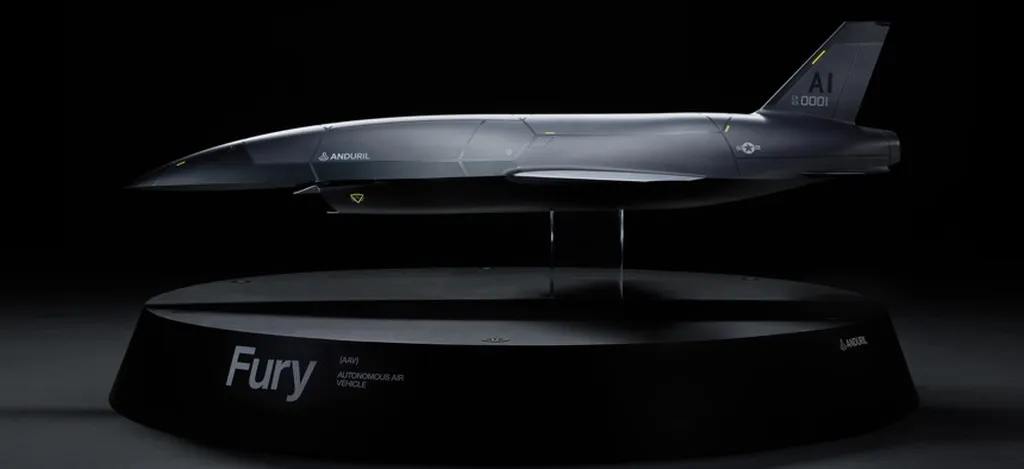
In a bold attempt to counter recent criticism, U.S. defence contractor Anduril published an article on its website on November 25th, titled “How Defense Technology Actually Gets Built.” The piece directly addresses complaints about the poor performance of its defence technologies, particularly uncrewed vehicles—referred to as “AI weapons” in a recent Wall Street Journal article. Anduril’s response, however, has been met with skepticism, much like Saruman’s futile attempts to justify the RAF’s ill-fated Boulton Paul Defiant to the Rohirrim.
Anduril’s article acknowledges the issues highlighted in both the Wall Street Journal and Financial Times, which scrutinised the company’s drone efforts in Ukraine. The problems, ranging from hardware and software failures to poor real-world performance, are not denied. Instead, the company attempts to educate readers on the inherent challenges of defence technology development. However, the tone and approach have been perceived as defensive and somewhat condescending, echoing Saruman’s impassioned but ultimately unconvincing speeches.
The article argues that setbacks in isolation may appear significant but are part of a broader, necessary process of rapid innovation and iteration. While this narrative might resonate with some, it falls short of reassuring critics and stakeholders who expect more reliability and transparency from defence technologies, especially when lives are at stake.
The defence sector is notoriously challenging, and the current geopolitical climate only amplifies the stakes. Unlike the space industry, where the phrase “Space is hard” is a common acknowledgment of the inherent difficulties, the phrase “miltec can be harder” underscores the life-or-death consequences of defence technology failures. Anduril’s engineers in Ukraine are acutely aware of this reality, working under the constant threat of conflict. This high-pressure environment demands not only technological prowess but also strategic communication and damage control to maintain trust and support.
Anduril’s response to negative press is concerning, particularly when compared to the mature and dignified handling of failure by companies like iSpace in the space industry. iSpace’s approach has earned it continued investor and partner support, demonstrating the value of transparency and resilience in the face of setbacks. Anduril’s current strategy risks alienating stakeholders rather than reassuring them.
In the rapidly evolving landscape of defence purchasing and development, understanding the changing nature of warfare and the strategic communication of defence technology is crucial. Anduril’s ability to navigate these challenges will determine its success in an environment where the winners stand to gain not only financially but also in their capacity to save lives. The company’s recent response suggests it has a long way to go in mastering the art of strategic communication and damage control.
As the defence sector continues to evolve, Anduril and similar companies must learn from industry leaders like iSpace. The ability to handle failure with maturity and transparency will be key to maintaining investor confidence and operational effectiveness in an increasingly complex and high-stakes environment.